Roofing Maintenance for Manchester Landlords: Protecting Your Investment and Meeting Safety Standards
For private landlords in Greater Manchester, the roof is more than just a structural component; it is the primary shield protecting a significant financial asset. Given the region’s notoriously high rainfall and the aging housing stock—particularly the thousands of Victorian and Edwardian terraces—roof maintenance is a critical factor in both investment protection and legal compliance.
Legal Obligations and Safety Standards
1.1 The Homes (Fitness for Human Habitation) Act 2018
- Damp and Mould Growth: Roof leaks are a primary source of penetrating damp, which creates an environment for toxic mould.
- Excess Cold: Inadequate roof insulation or structural gaps can make a property impossible to heat efficiently, posing a serious health risk to tenants.
1.2 Manchester City Council Selective Licensing
- Civil penalties of up to £30,000.
- Rent Repayment Orders (RROs) requiring the return of up to 12 months of rent to the tenant.
- Loss of the right to serve a Section 21 notice for possession of the property.
The Financial Case for Proactive Maintenance
While emergency repairs are often viewed as an unavoidable cost of business, proactive maintenance offers a measurable Return on Investment (ROI).
| Maintenance Strategy | Average Cost | Potential Savings | Impact on ROI |
|---|---|---|---|
| Annual Inspection | £150 – £300 | Prevents £5,000+ structural repairs | High (Asset protection) |
| Gutter Cleaning | £80 – £150 | Prevents £2,000+ damp remediation | Medium (Risk reduction) |
| Emergency Leak Repair | £500 – £1,500 | None (Reactive) | Negative (High void risk) |
| Full Re-Roofing | £6,000 – £12,000 | Increases property value by 5-10% | Long-term Gain |
A roof leak that leads to internal dampness often requires the tenant to move out during remediation. In Manchester’s competitive rental market, a property that is “out of action” for just two months can cost a landlord thousands in lost rent, plus the expense of providing alternative accommodation if the property is declared uninhabitable.
Common Manchester Roofing Issues for Landlords
- Nail Sickness in Slate Roofs: Common in Victorian terraces, where original iron nails rust and fail, causing slates to slip.
- Mortar Erosion on Ridges: The constant rain and frost crumble the mortar on ridge tiles, leading to loose tiles that can be dangerous in high winds.
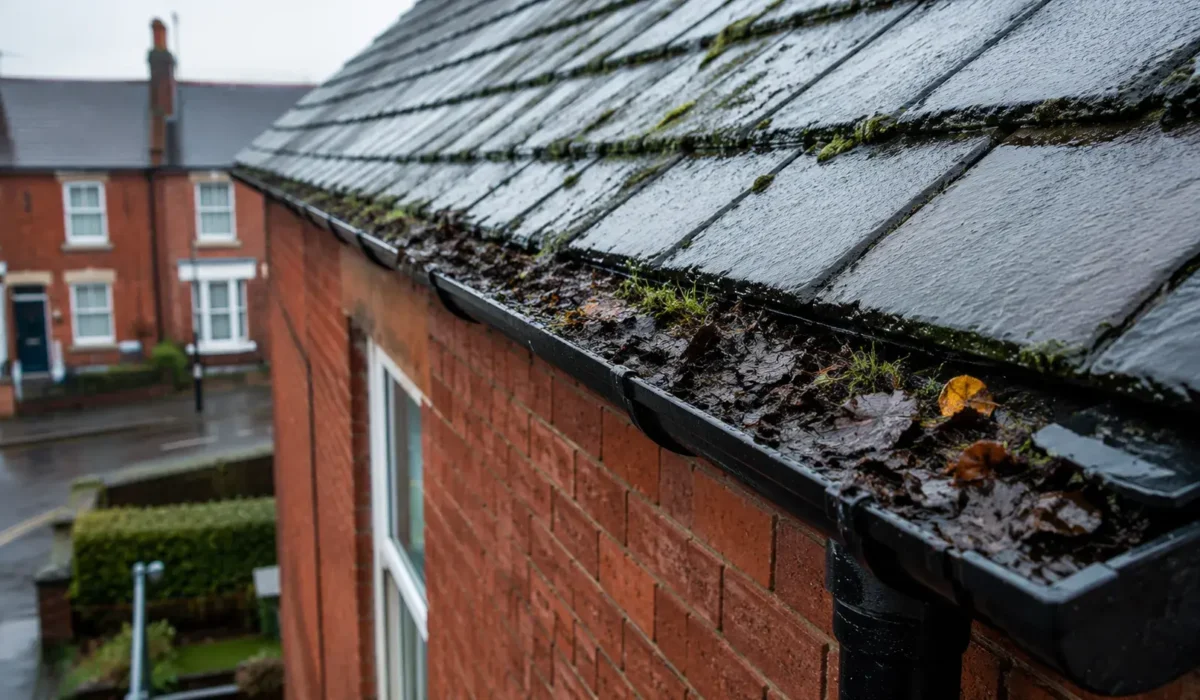
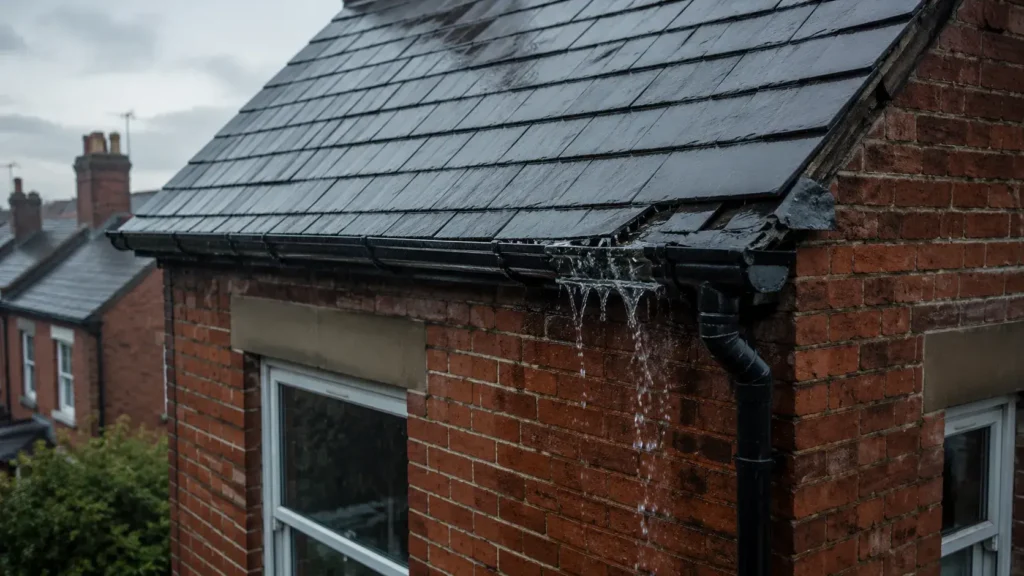
- Clogged Guttering: Manchester’s leafy suburbs (like Didsbury and Chorlton) often see gutters blocked by debris, causing water to overflow and penetrate the brickwork.
Landlord’s Roof Maintenance Checklist
Bi-Annual (Spring & Autumn)
Post-Storm
Responding to Tenant Reports
- Investigation: Must occur within 24 hours for emergency hazards (e.g., a major leak).
- Safe Environment: The landlord must make the property safe within 24 hours if there is a serious risk to health.
Conclusion
For Manchester landlords, the roof is the first line of defence against property devaluation and legal liability. By shifting from a reactive “fix-on-failure” mindset to a proactive maintenance strategy, you not only meet your legal obligations but also ensure the long-term profitability and safety of your investment.